

Pickering Place
A hidden Georgian enclave in the heart of St James's which comes into its own at Christmas time

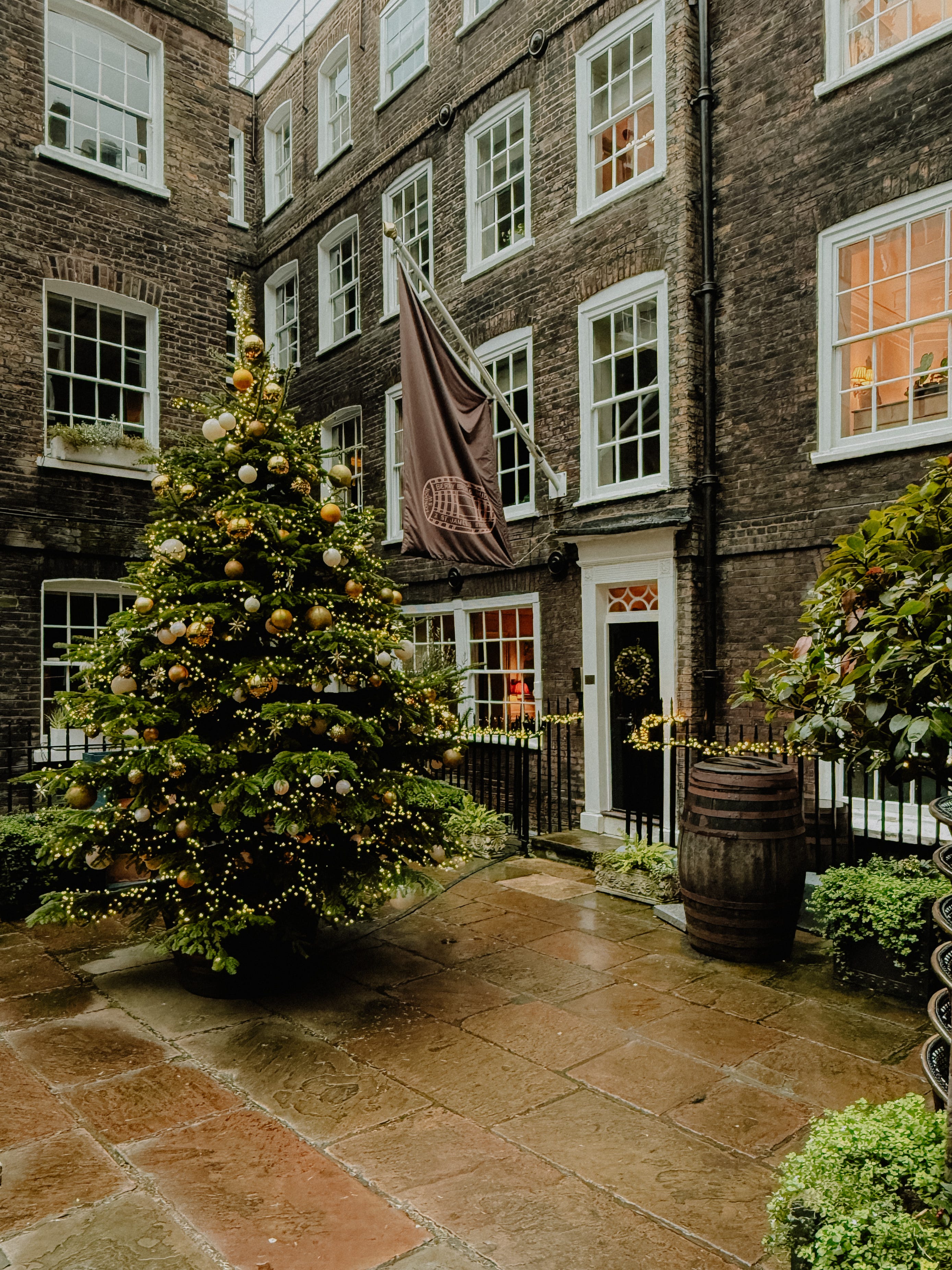
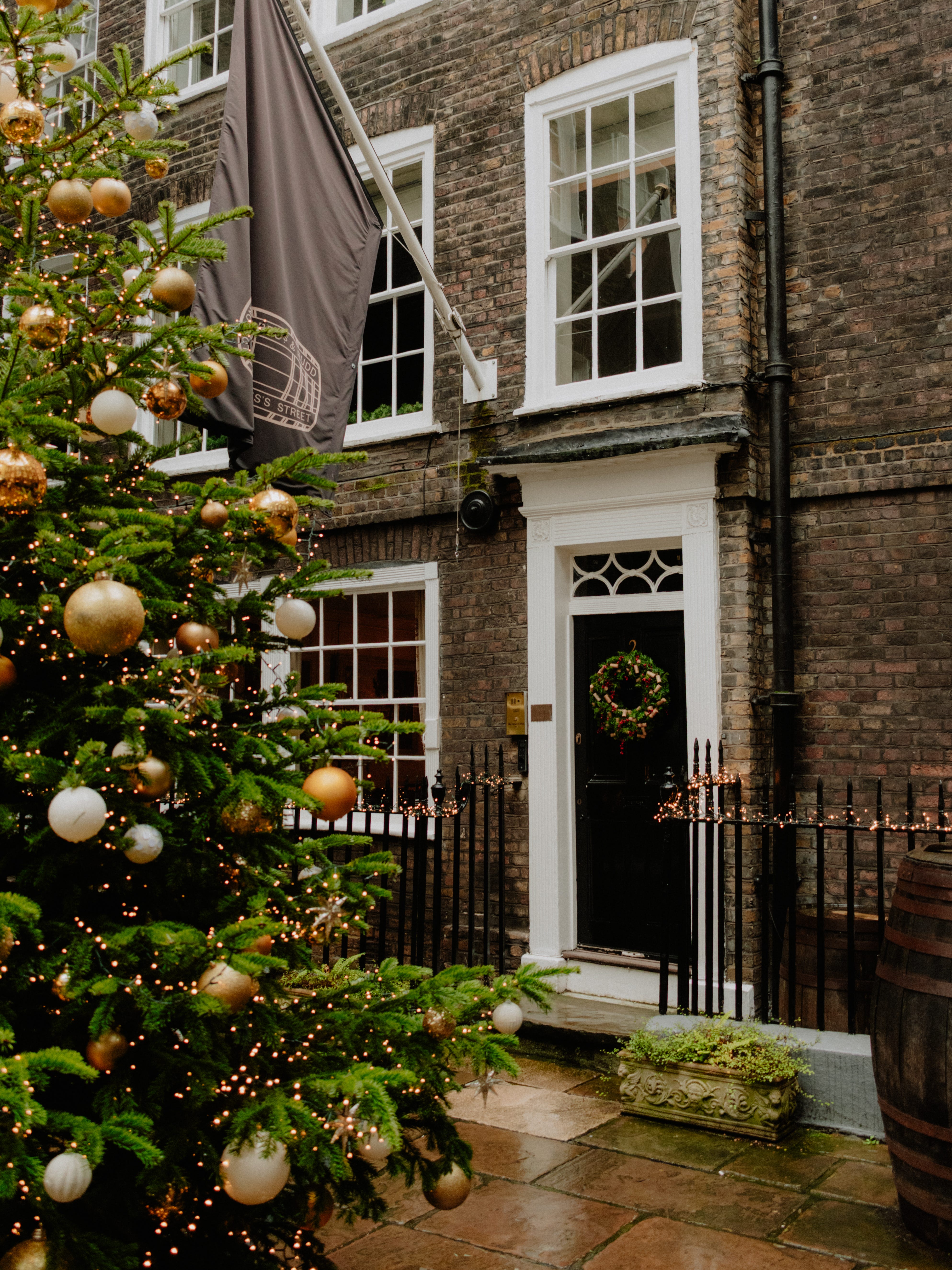
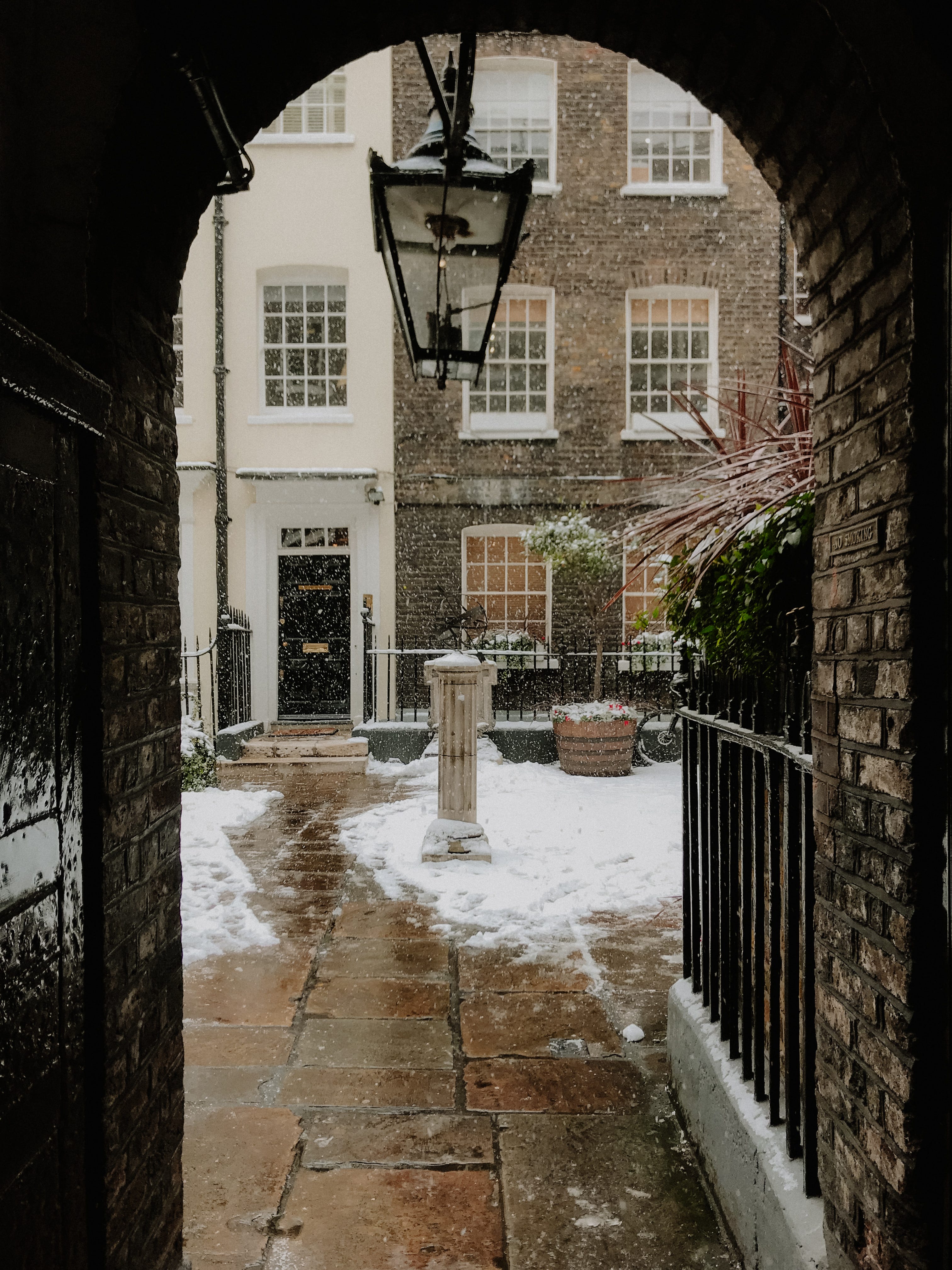
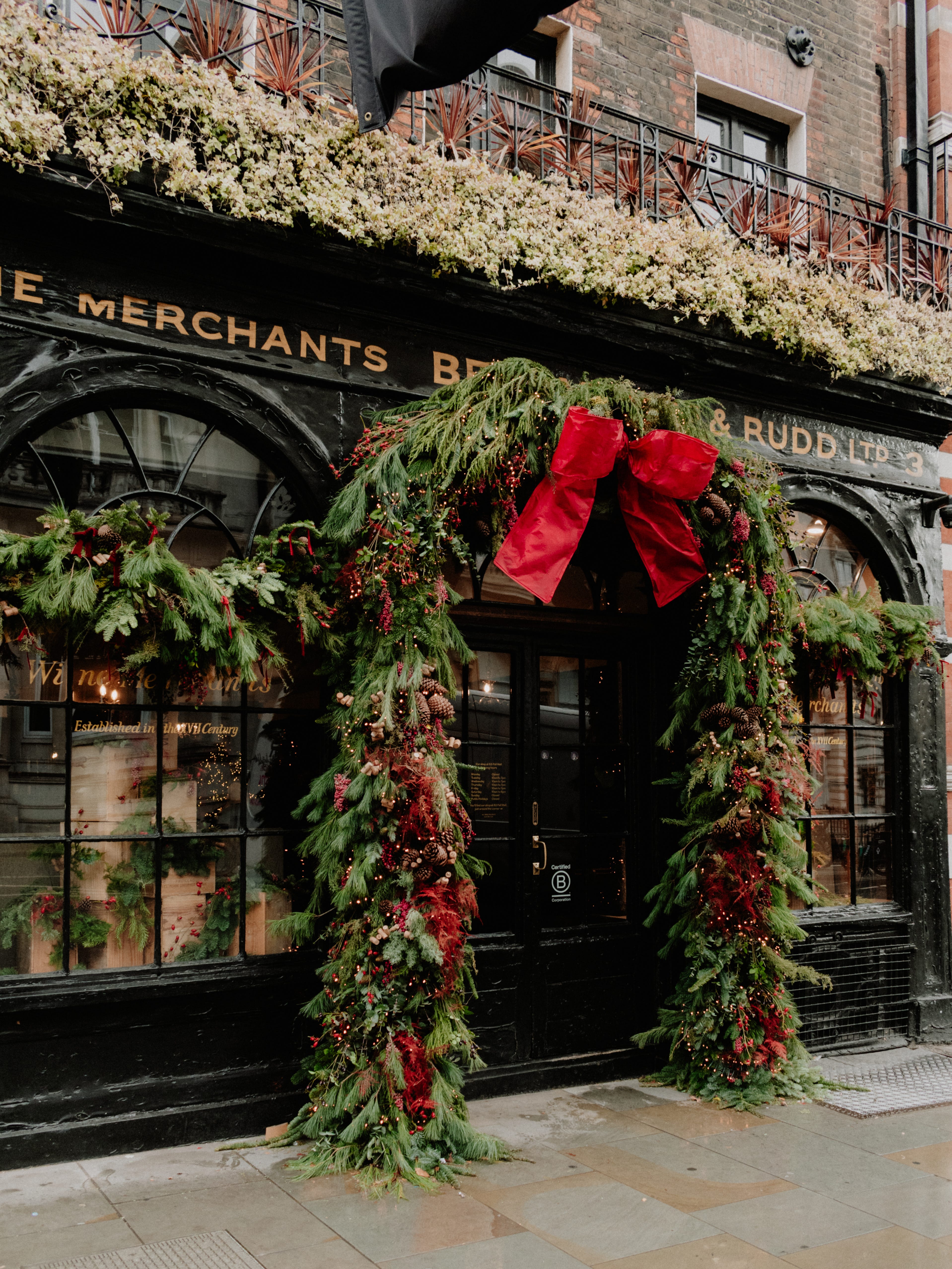
Tucked just off St James’s Street, behind the atmospheric façade of Berry Bros. & Rudd wine merchants, lies one of London’s best-kept secrets: Pickering Place. A blink-and-you’ll-miss-it courtyard enclosed by tall brickwork, it feels utterly cut off from the clamour of nearby Piccadilly. The square’s cobbles, gas lamps and symmetry of windows transport you to an earlier age. Reaching it via the narrow alleyway alongside Berry Bros. with the words “No.3” painted above it and then emerging into the small courtyard at the end feels like entering a portal to the past.
Pickering Place has the distinction of being one of the smallest public squares in Britain, and one of the most atmospheric. It’s notable for its Georgian architecture and wrought iron railings, and some of the original gas lamps remain operational.
A Hidden Corner of Georgian Society
When the Palace of Whitehall burned down in 1698, the Royal Court moved to St James’s Palace, and it is from this time that the surrounding area became a well-to-do part of London. The land now occupied by Pickering Place was once part of Henry VIII’s real tennis courts, part of his residence at St James’s Palace, which is just a few hundred yards away.
The square was originally laid out in the 1730s, and by the 1740s it was owned by William Pickering, a coffee merchant whose name it still bears and who redesigned some of its layout. The author Graham Greene, who wrote The End of the Affair, once lived here, however none of the houses in the square have been residential since about the mid-1980s.
As St James’s grew into the heart of gentlemanly London, Pickering Place became a microcosm of it. It’s said that several duels took place in its tiny courtyard, with seconds and onlookers huddled in the shadows. Whether or not that’s true, the story fits the mood of the place: intimate and secretive.
Another enduring story claims that the last duel ever fought in London took place here—an irresistible legend, though one with little documentary evidence. Like so many tales of “old world London”, it persists because it feels true.
Diplomats and Dandies
By the late 18th and early 19th centuries, the area had acquired a cosmopolitan air. The embassy of the Republic of Texas occupied one of the rooms off the square in the 1840s, complete with its own flag. There’s still a plaque marking the spot today, a wonderfully incongruous reminder of the time when an independent Texas sought recognition from the British Crown.
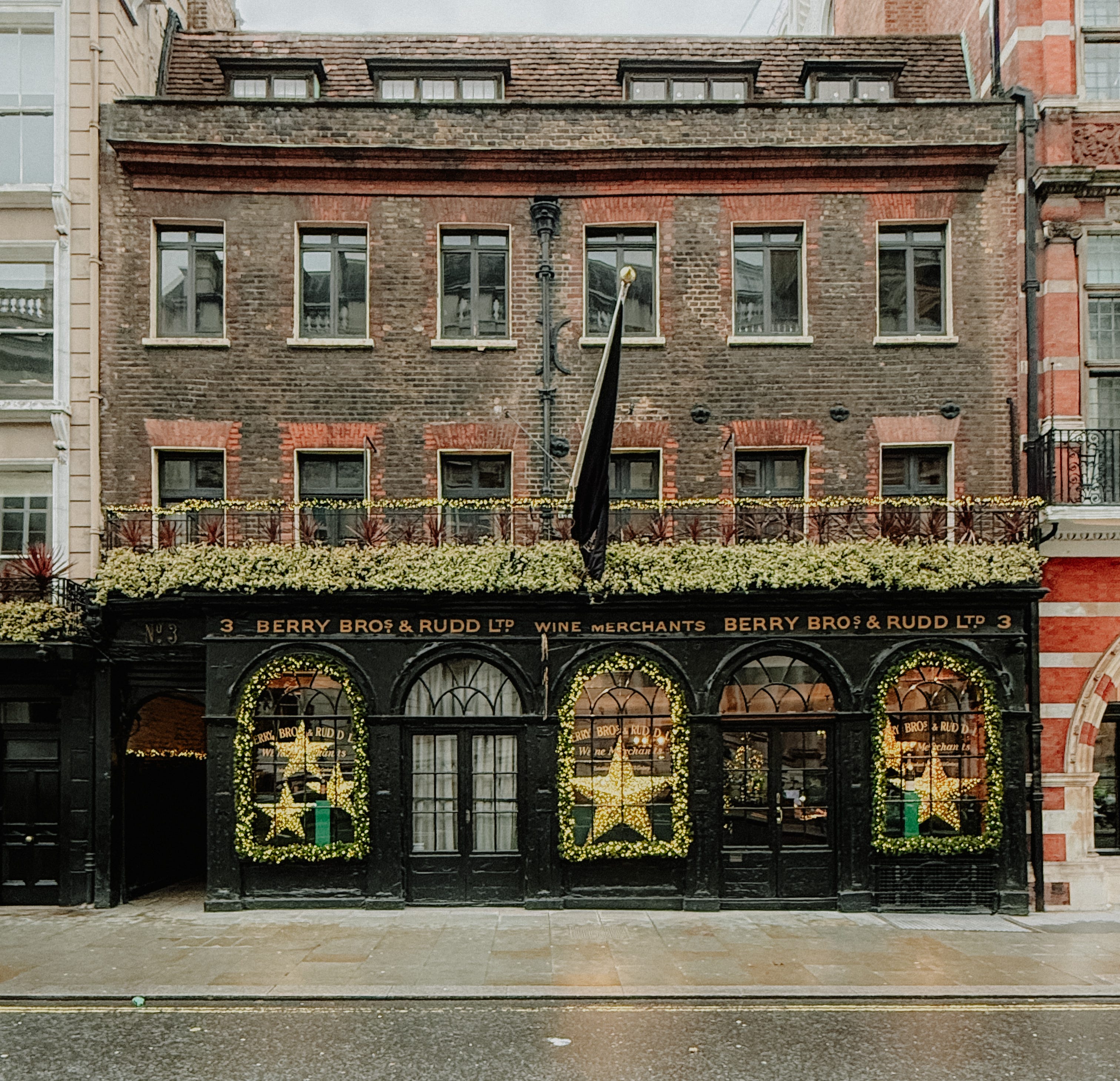
Berry Bros. & Rudd, whose shop forms the entrance to the square, has traded here since 1698 and remains a testament to fine wine and tradition. It is the oldest wine and spirit merchant in the country, and has been the official wine supplier to the royal family since George III. Its creaking floors and dusty cellars are hold some of the oldest bottles in London. The shop’s striking shopfront, with its low bow windows and woodwork, is a visual reminder of a vanished Georgian world.
Why You Should Visit
To step into Pickering Place is to discover a time capsule hidden in plain sight. The noise of the traffic on St James’s Street fades instantly and the cobblestones, gas lamps and darkened brickwork invoke the London that existed before cars.
Like so many parts of old world London, what makes this place so compelling is its contrast: hemmed in by some of the most exclusive addresses in the city, yet intimate and human in scale. Few corners of London feel so unchanged and so untouched by modern life.
📍 Location: Pickering Place, St James’s Street, London SW1A 1EA
Nearest Tube: Green Park or Piccadilly Circus
Tip: Visit in late November/December when there is a Christmas tree in the courtyard to see it at its prettiest
I just discovered this newsletter and I love It.
I'm from Italy but I hope I can come and visit London for some days this year...away from the turistic crowd and in places like this.
Thank you so much for this article!
I’m often in the area for work, but I was oblivious to the existence of this courtyard! I will take a look next time I’m there.